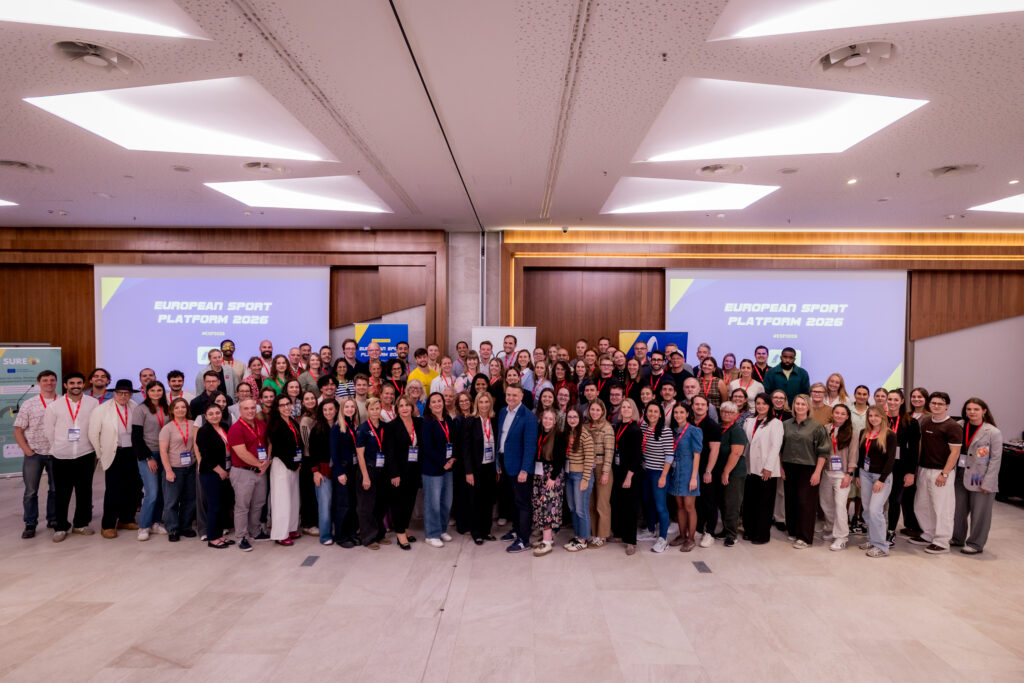
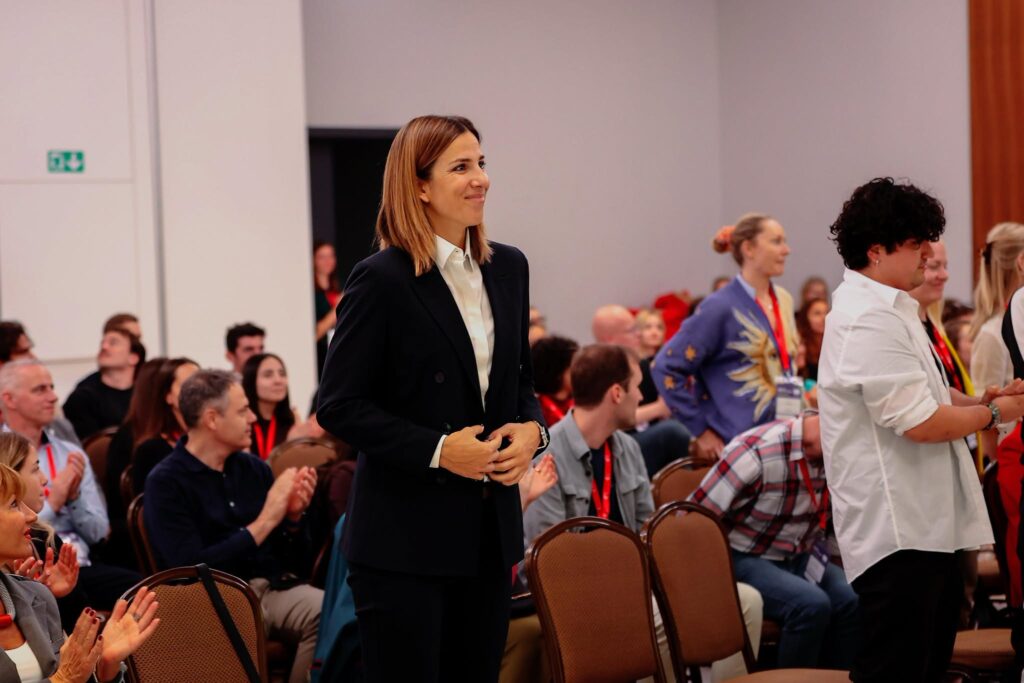
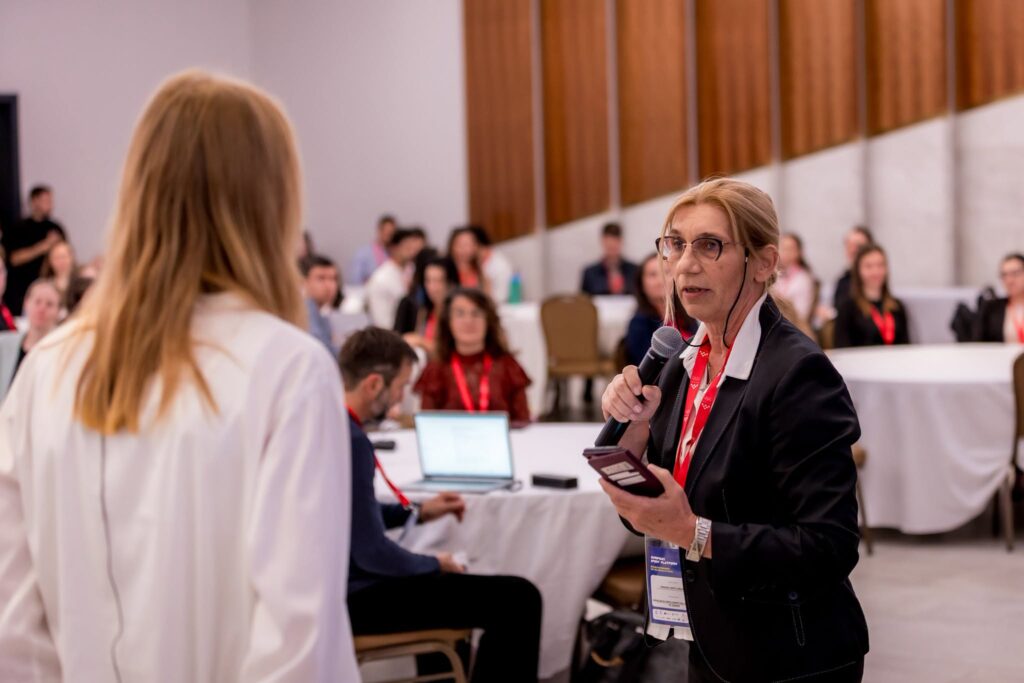
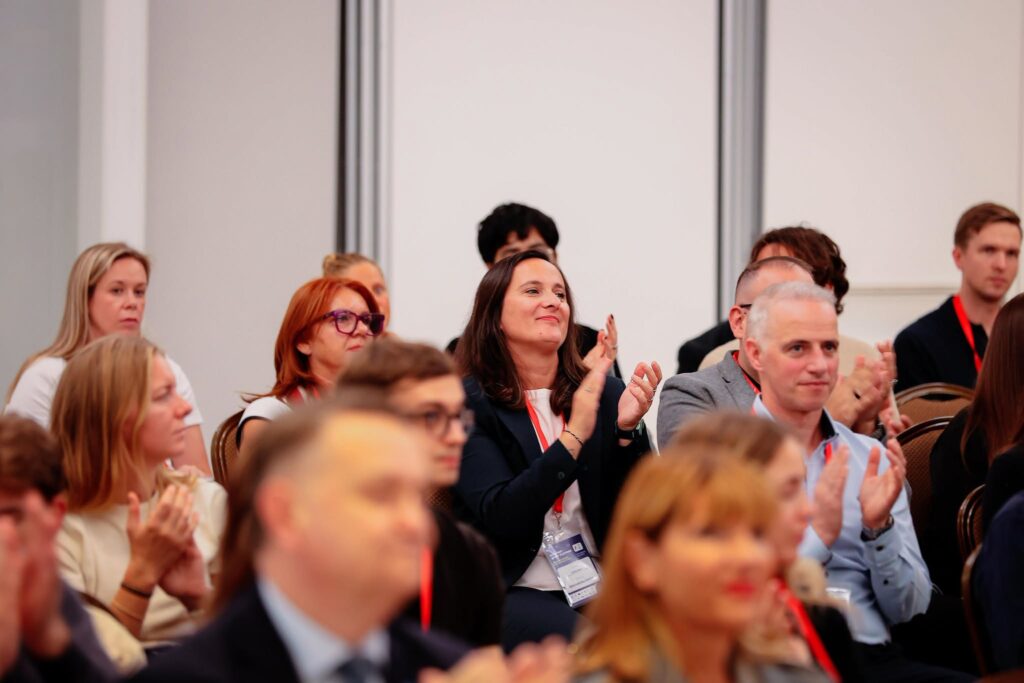
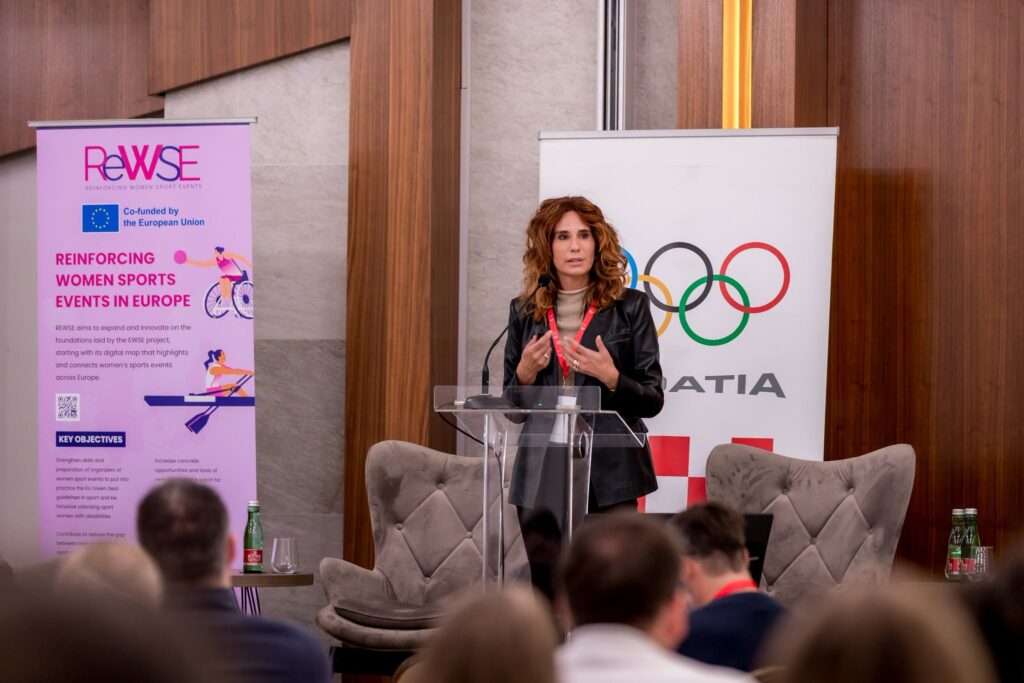
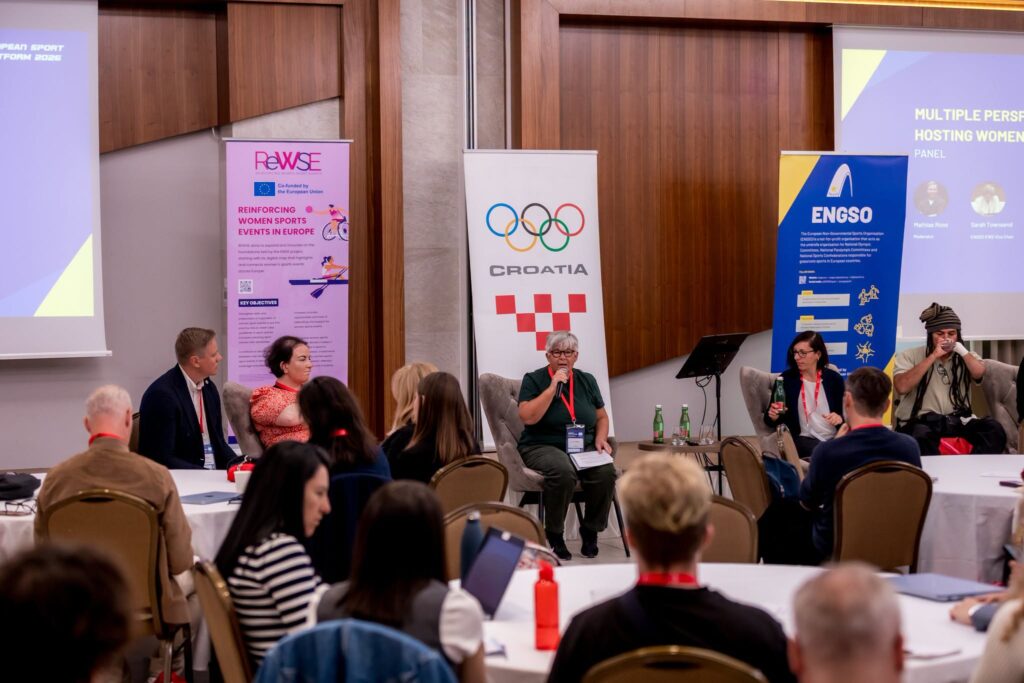
The 2026 edition of ENGSO’s flagship event, the European Sport Platform, took place in Split, Croatia, from 15–17 October, hosted by ENGSO member the Croatian Olympic Committee. Over three days, the conference explored key topics shaping the future of European grassroots sport, including strengthening the resilience of sports clubs, women in sport, inclusion, volunteering, and funding.
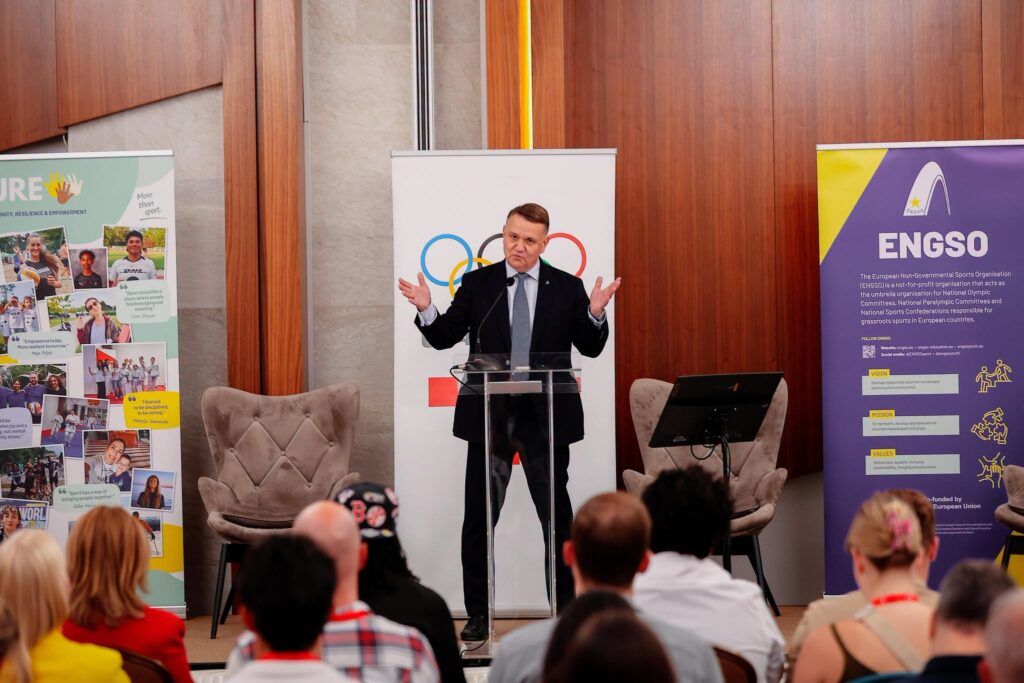
Stefan Bergh, ENGSO President, and Maja Poljak, Croatian Olympic Committee, officially opened the event, highlighting the importance of strengthening grassroots sport and exploring the power of sport to bring people together, foster unity, build friendships, and create a sense of belonging. They emphasised the vital role sports clubs play in empowering individuals and building strong, inclusive, and resilient communities.
The first day of the 2026 European Sport Platform put the spotlight on sports clubs and their ability to navigate crises, overcome challenges, and build resilience.
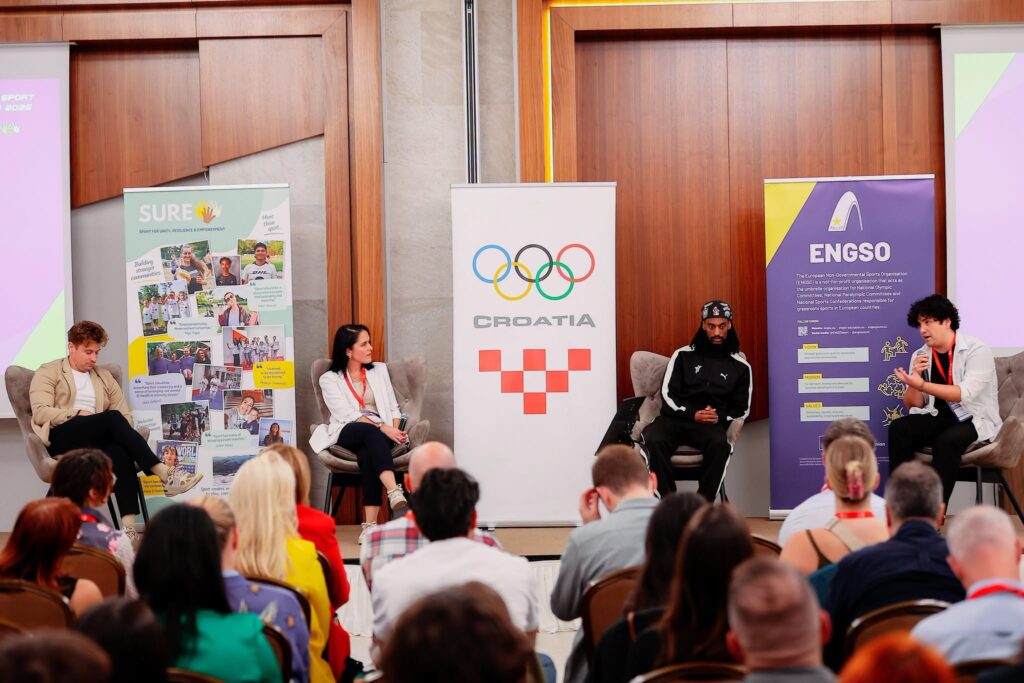
Moderated by ENGSO Project Coordinator Rachel May, the conference programme opened with a session dedicated to the SURE project, exploring key themes of crisis management, resilience, and cooperation. Speakers and guests André Urban (OPES Italia), Shadde Fessaha (Triple Threat), Maja Poljak (Croatian Olympic Committee), and Dina Koren (SOS Children’s Village Lekenik) shared their insights and experiences on how sports clubs can better prepare for and respond to crises.
Through three complementary perspectives — research, community, and partnerships — the sessions highlighted the challenges sports clubs face and the importance of collaboration and support in helping them adapt, recover, and grow stronger.
Day two of the event focused on women in sport, exploring key themes including health, dual careers and inclusive sporting events. Dr Davorka Herman Mahečić opened the session with a presentation on women’s health in sport, highlighting the risks associated with Relative Energy Deficiency in Sport (RED-S).
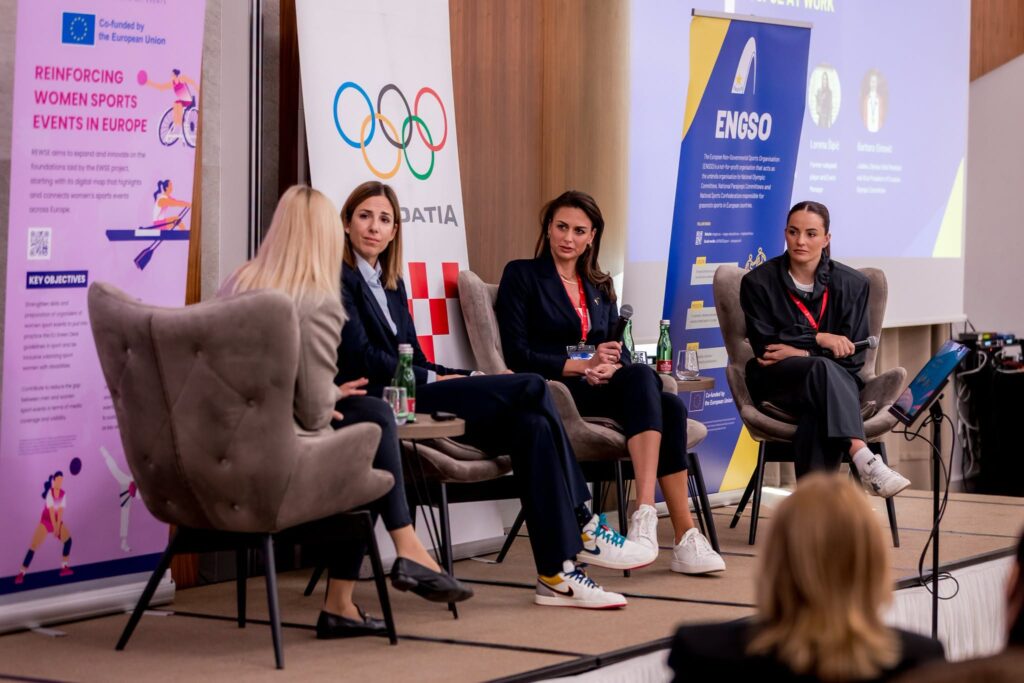
A panel discussion moderated by Mia Baćić explored career transitions beyond professional sport. The panellists included Maja Poljak, former professional volleyball player and Croatian Olympic Committee EU Funds and International Cooperation Coordinator; Lorena Šipić, former volleyball player and event manager; and Barbara Đinović, judoka, Olympic gold medallist and Vice President of the Croatian Olympic Committee. They shared their perspectives on the challenges and opportunities athletes face when transitioning to life beyond competitive sport.
The ENGSO EWS Committee and the ReWSE project team then turned their attention to women’s sporting events, exploring five key pillars: investment, innovation, visibility, participation and leadership. Contributors included Tarja Krum (ENGSO EWS), Alice Bruni (Assist), Sarah Townsend (ENGSO EWS), Sarah Kerrigan (IWA Sport), and Alexandre Charrier, Solenn Thomas and Ryadh Sallem (Alice Milliat Foundation). Moderated by Mathias Roos, the discussion brought together perspectives on inclusion, disability, LBTQI+ representation and women’s empowerment in sport.
Lovisa Broms (ENGSO) highlighted a decade of partnerships and achievements, reflecting on ten years of collaboration and progress.
The day concluded with three parallel sessions exploring inclusion, youth participation and equality:
Together, the sessions highlighted the importance of building a more inclusive, accessible and equitable sporting landscape for all.
Day three began with the inspiring story of Nahom Desale, a former professional cyclist who overcame the challenges of being a refugee to pursue a career in professional cycling.
The focus then shifted to other sports champions (those behind the scenes): Dr Tanja Bilić Brenner, Ivana Aničić and Dr Niki Koutrou, ENGSO project coordinator, who explored the value of volunteering and shared research and insights on volunteer development and management in sport.
The day concluded with Leandro Pereira Mendes, Senior Policy Officer at The European Lotteries, who presented its sustainable model for societal benefit and highlighted the contribution of national lotteries to supporting grassroots sport.
Another key highlight was the announcement by Ronalds Rezais of the 2027 ENGSO General Assembly, which will be hosted by ENGSO member Latvian Sports Federations Council in Riga, Latvia, from 4–6 June 2027.
We would like to extend our sincere thanks to the Croatian Olympic Committee, particularly Romana Caput-Jogunica and Maja Poljak, for organising such a fantastic and valuable event and for giving us a warm welcome in Split, Croatia.